China has committed to purchasing $17 billion annually in U.S. agricultural products from 2026 through 2028, signaling a potential rebound in bilateral trade after a sharp decline driven by tariffs.
The commitment is expected to boost U.S. farm exports and shift global sourcing dynamics, as China increases purchases from the U.S. at the potential expense of other major suppliers.

India’s export diversification strategy has expanded into more than 1,800 new global markets, adding incremental export gains and reinforcing its role as a key alternative sourcing hub in global trade networks.
The shift reflects broader efforts to reduce dependency on traditional trade lanes and strengthen resilience through multi-market engagement and global supply chain networks.
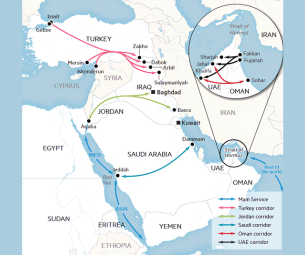
Shipping lanes into the Middle East are currently seeing some adjustments as carriers reroute services, apply standard contingency measures, and shift select cargo through alternative ports in response to evolving regional conditions.
These changes are contributing to longer transit times and some upward pressure on freight costs for shipments moving into Gulf destinations, particularly for time-sensitive cargo.
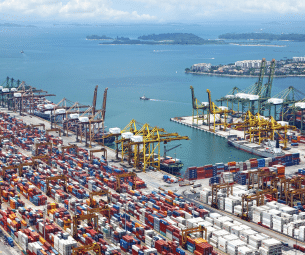
Import volumes are beginning to increase at major U.S. ports as shippers prepare for the summer peak season, with some front-loading driven by ongoing tariff considerations.
Our team is actively supporting customers with planning, coordination, and flexible routing strategies to help maintain efficient cargo flow as volumes rise and minimize potential delays while ensuring smooth end-to-end supply chain performance.
- 10% U.S. global tariff remains in effect (for now): A federal appeals court has temporarily allowed continued collection while legal challenges move forward.
- Potential for additional tariff adjustments: U.S. trade officials signaled flexibility to increase tariffs on certain imports depending on ongoing negotiations.
- Importer refund process now available: U.S. Customs has implemented a process enabling companies to reclaim tariffs paid under overturned rulings, with applications required for eligibility.
- EU and North America trade tensions remain fluid: Conversations around potential tariff increases on EU autos and USMCA renegotiation continue ahead of key deadlines.
- U.S.–China trade signals stabilization: Recent agreements point toward reduced barriers in select sectors, particularly agriculture, with broader implications for tariffs and market access.
- Tariff impact mitigation & routing optimization: We evaluate alternative sourcing lanes, trade corridors, and entry points to minimize duty exposure and delays.
- Customs advisory & compliance support: Our team helps interpret changing tariff classifications, documentation requirements, and eligibility for refunds or exemptions.
- Flexible multimodal solutions: We provide air, ocean, ground, and cross-border options to adapt quickly when trade policies shift or disruptions occur.
- End-to-end visibility & contingency planning: Real-time tracking and proactive scenario planning ensure continuity even as regulations and transit conditions change.
When volatility impacts global trade lanes, from geopolitical shifts to disruptions across the Middle East and beyond, having the right logistics partner is critical. Our team develops proactive, agile transport strategies to keep your cargo moving, no matter the conditions.
Contact us to explore how we can strengthen your supply chain for what’s ahead.
As tariff and global trade conditions continue to evolve, we’re gathering customer insights to better understand the impact and how we can best support you.
Please take a moment to complete this brief survey.