- CBP’s Commercial Automated Processing Environment (CAPE) refund process remains active, with eligible refunds being processed and distributed daily.
- Entries that were liquidated more than 80 days beyond their closure date are currently excluded from refunds through the standard CAPE declaration process.
- Recent U.S. Court of International Trade (CIT) activity has provided additional clarity for importers seeking potential relief on older entries, though further guidance is expected.
- Importers with older entries impacted by IEEPA tariffs should review their options and consider steps to preserve potential refund rights.
- CBP is expected to provide additional updates regarding future CAPE phases and processing procedures.
- Reviewing Import Compliance Strategies: Our customs experts can help evaluate classification, documentation, and eligibility considerations to support compliant import processes.
- Monitoring Regulatory Changes: We track global trade updates and works to communicate changes that may affect your shipments and planning decisions.
- Evaluating Supply Chain Options: Our teams can help identify opportunities to review sourcing locations, transportation strategies, and shipment planning approaches.
- Supporting Documentation & Customs Processes: From customs coordination to required documentation review, we help customers reduce delays and improve visibility throughout the import process.

Imperative Logistics recently supported Rutgers University’s ocean research expedition by managing complex international logistics for specialized scientific equipment across the U.S., Sweden, and Barbados.
From customs coordination to ocean freight planning, our team ensured critical research equipment arrived safely and on schedule.
Regulatory agencies continue to increase scrutiny on import compliance, with a growing focus on documentation accuracy and importer responsibility.
CBP trade statistics reflect the scale of global trade and the importance of compliance practices to keep shipments moving efficiently. Our team supports your business with expert guidance.

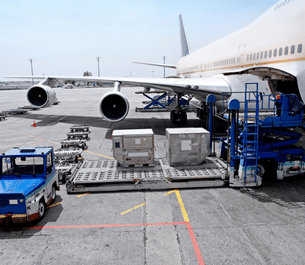
The continued expansion of artificial intelligence is reshaping global air cargo patterns, with increased movement of technology components such as semiconductors, processors, and specialized equipment.
Proactive planning and logistics coordination can help businesses manage time-sensitive cargo needs.
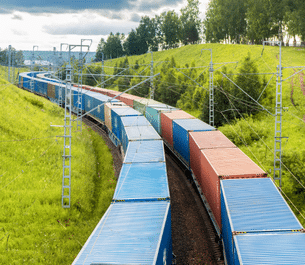
Lower water levels on Germany’s Rhine River are affecting inland shipping conditions and creating challenges for companies that rely on this critical transportation route.
Importers should continue evaluating transportation options and regional distribution strategies as infrastructure investments reshape cargo flows.
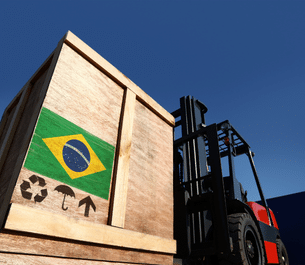
The Office of the United States Trade Representative has implemented an additional 25% Section 301 duty on certain imports from Brazil, with U.S. Customs and Border Protection issuing guidance on ACE reporting and compliance requirements.
Importers should review HTS classifications, country of origin, and Chapter 99 applicability to determine impact and ensure accurate filing.
FLIP Section 301 tariff measures are now in effect for applicable entries, impacting select countries and product categories. The chart below summarizes applicable tariff rates by country. Countries not listed are not currently subject to FLIP Section 301 measures.
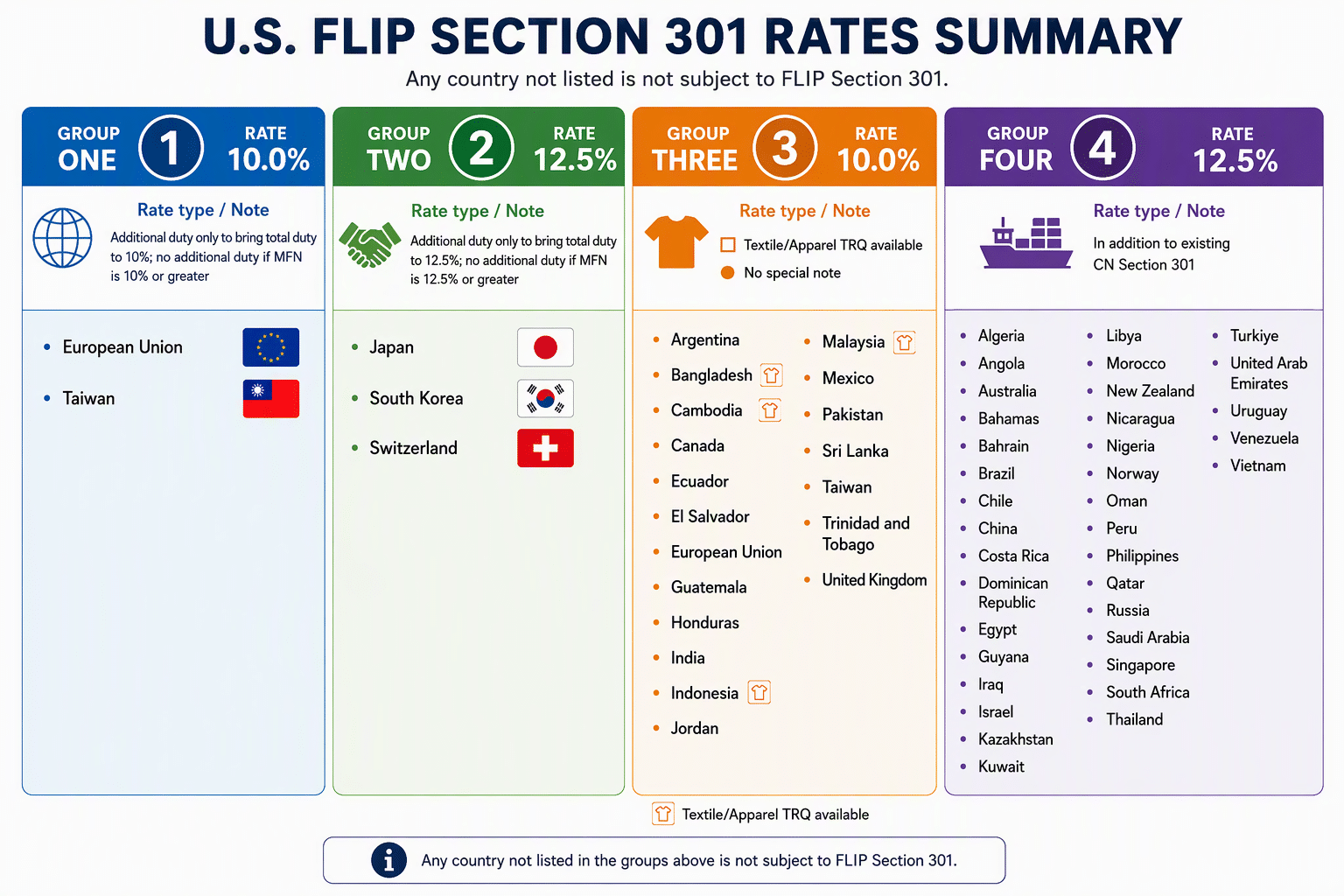
The temporary Section 122 balance-of-payments tariff has expired, with portions replaced by new Forced Labor Import Prohibition (FLIP) Section 301 tariff measures.
- New tariff measures generally fall into two groups:
- 10% inclusive duty cap: Applies to certain countries, including the European Union and Taiwan.
- 12.5% inclusive duty cap: Applies to countries including Japan, South Korea, and Switzerland.
- Additional country and product exclusions may apply, including certain USMCA-qualified goods, Section 232 products, and approved product exclusions.
A potential additional Section 301 review involving several trading partners remains under evaluation, with further details expected as the review progresses.
As tariff and global trade conditions continue to evolve, we’re gathering customer insights to better understand the impact and how we can best support you.